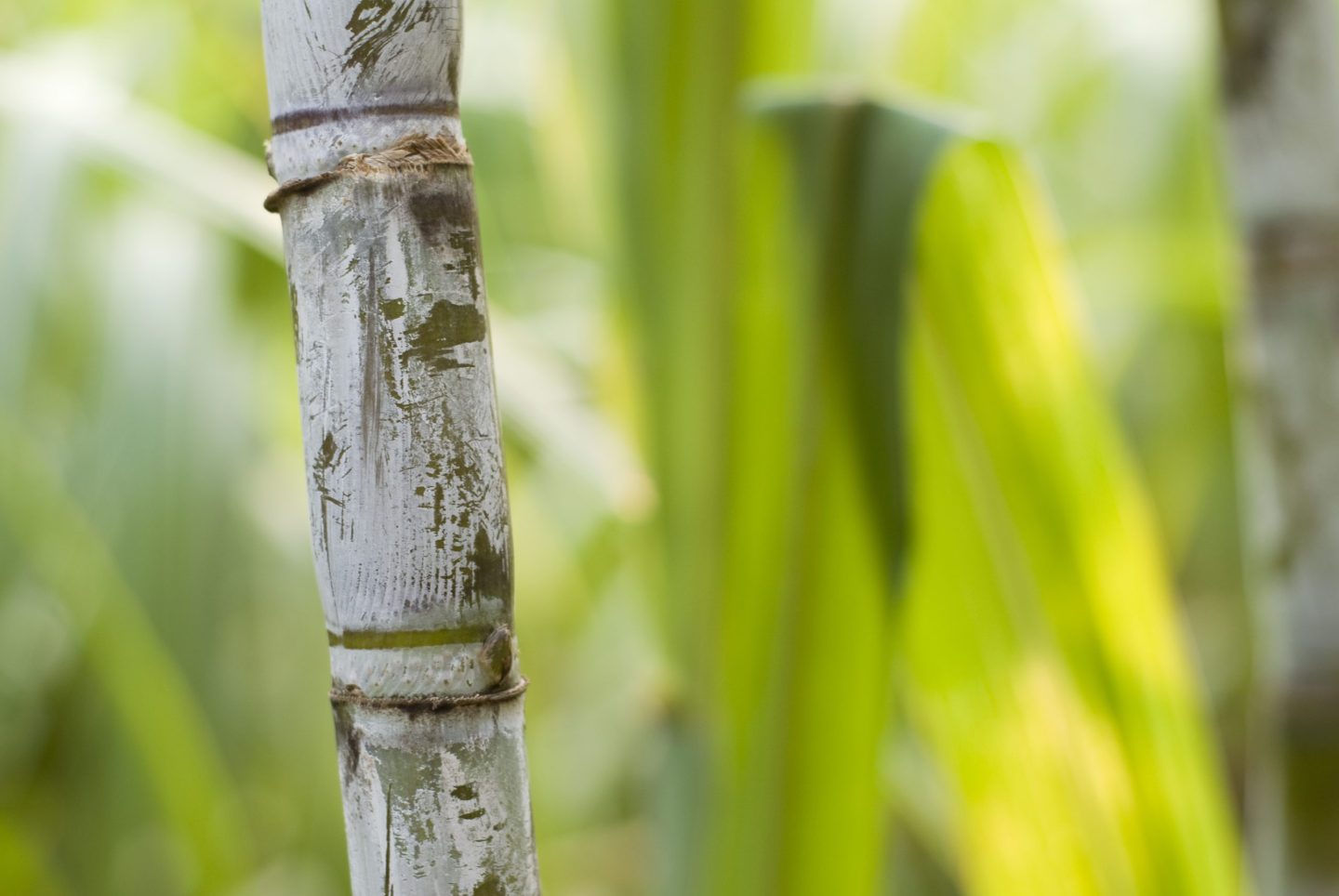
I’m green™ bio-based Polyethylene
I’m green™ bio-based Polyethylene is a Bio-PE for extrusion, injection molding and blow molding
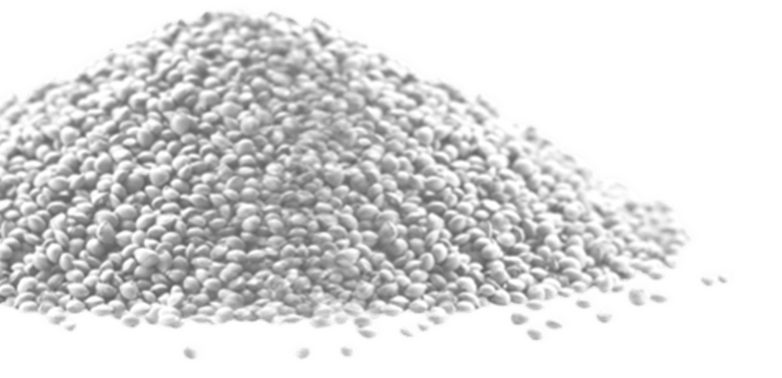
I’m green™ bio-based Polyethylene (PE) is made from the renewable raw material sugar cane. As a drop-in, I’m green™ bio-based Polyethylene (PE) is a regenerative alternative to fossil polyethylene (PE). This bio-based, non-degradable but recyclable plastic is used primarily in packaging for food and cosmetics as well as in household products, sporting goods and toys.
 Braskem Brochure - I'm green Portfolio (EN)
Highlights of I’m green™ bio-based Polyethylene
Contains at least 84-96% renewable carbon, depending on the grade (according to ASTM D6866)
I'm green™ bio-based polyethylene has a carbon footprint of -2.12 kgCO2/kg (cradle-to-Braskem-factory-gate)
I’m green™ bio-based Polyethylene is recyclable in the conventional PE stream
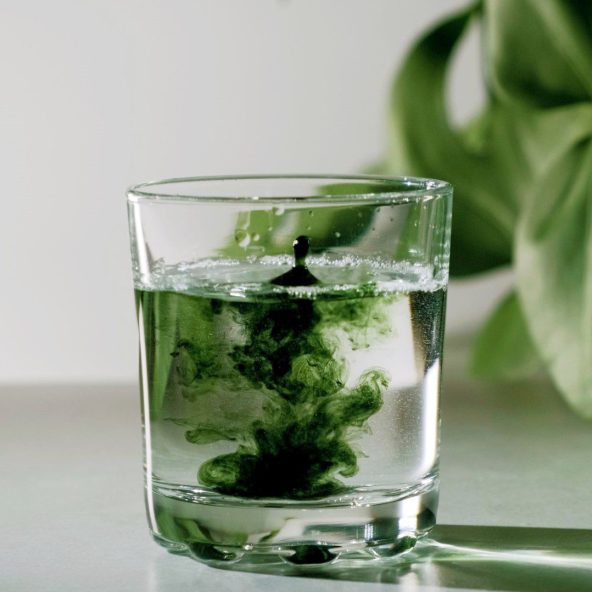
Same properties as conventional polyethylene, same processing methods
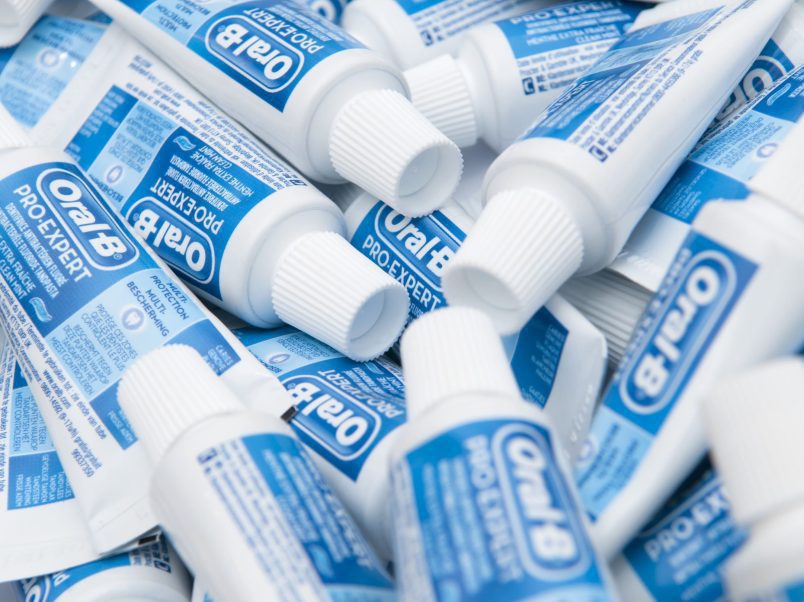
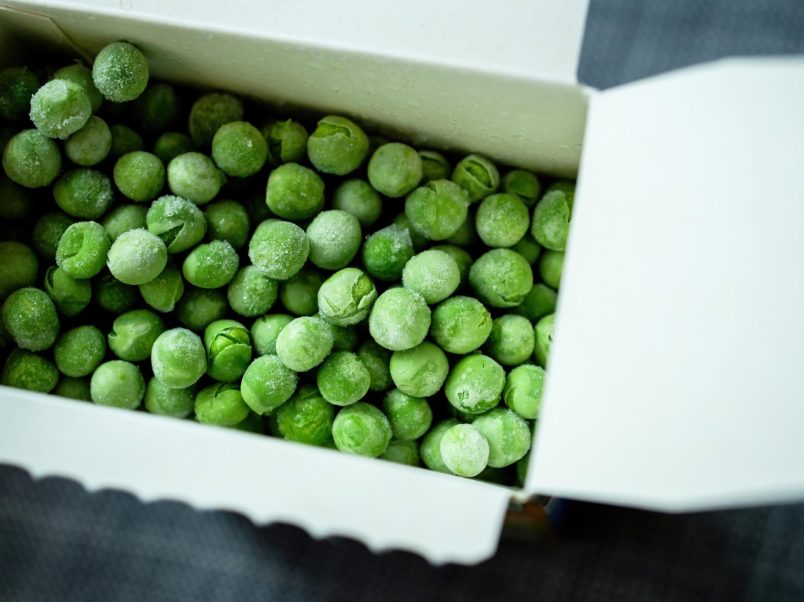
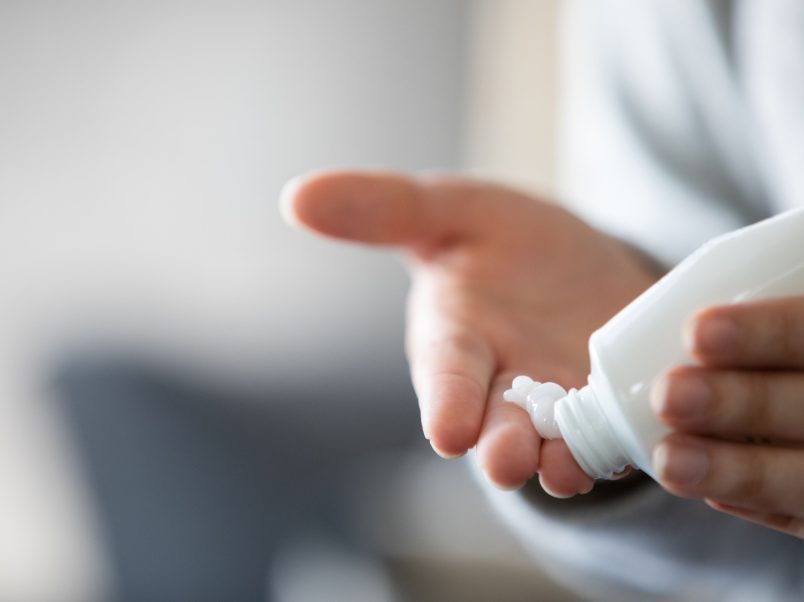
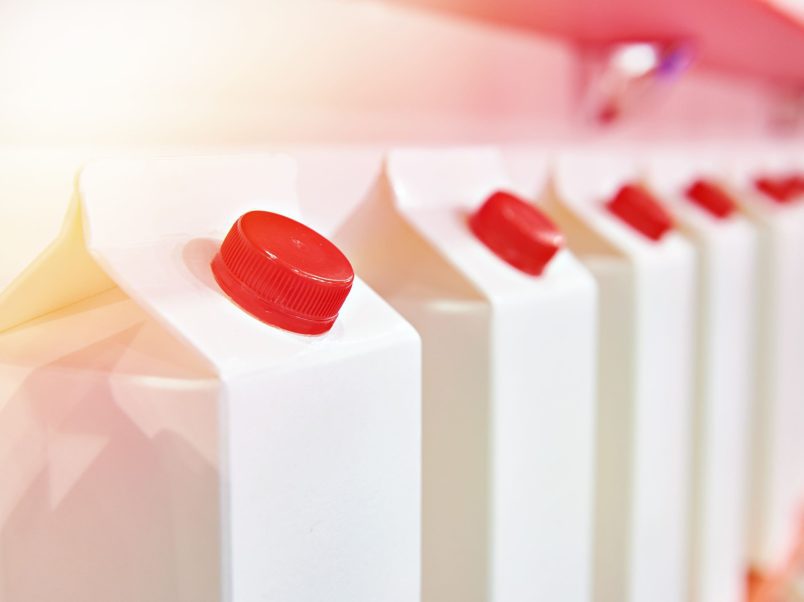
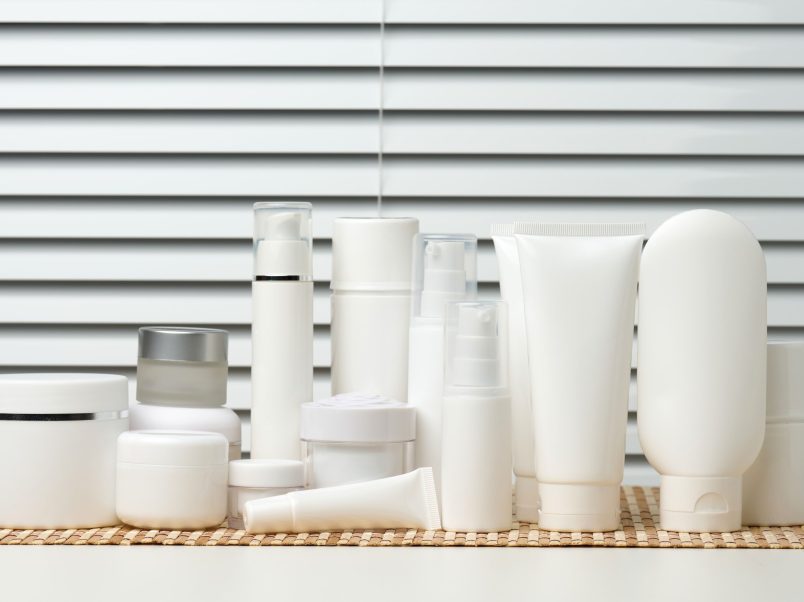
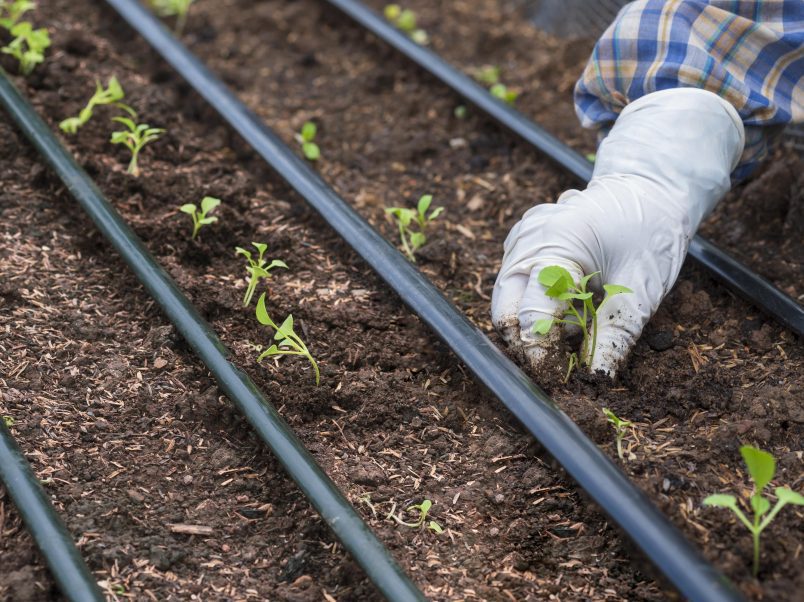
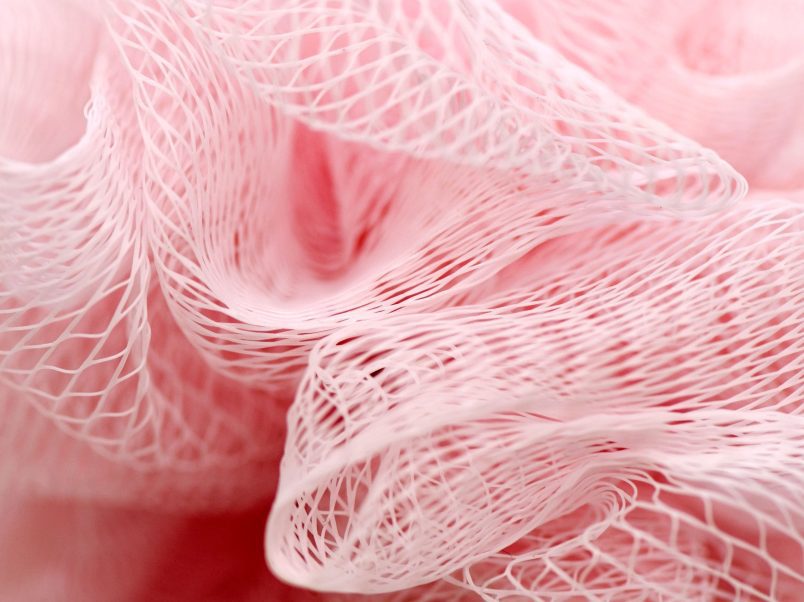
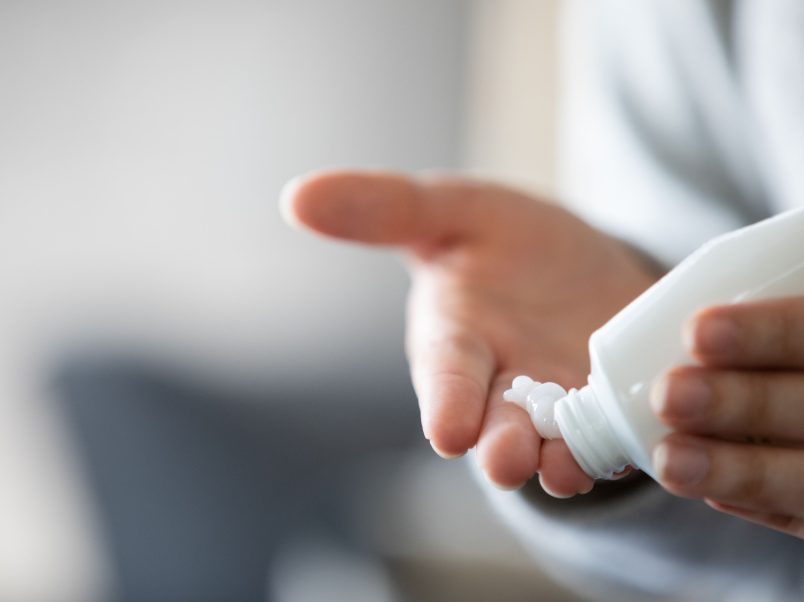
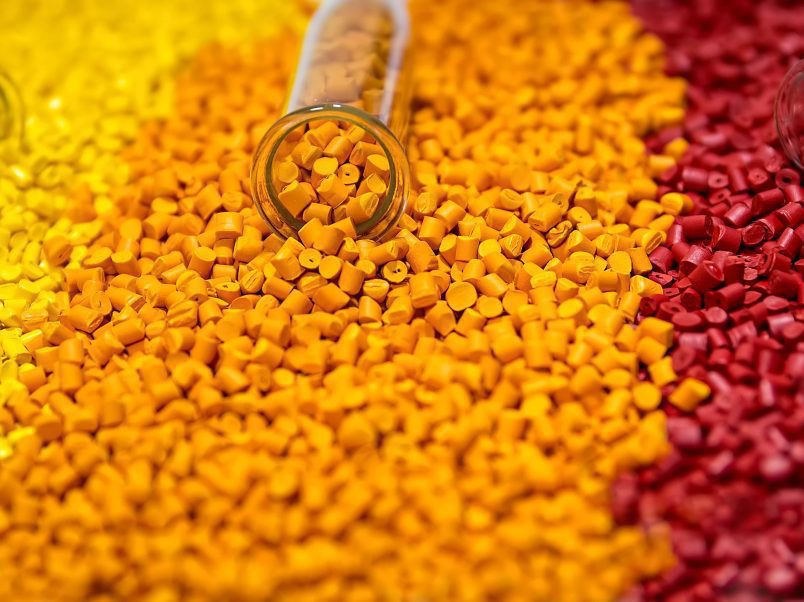
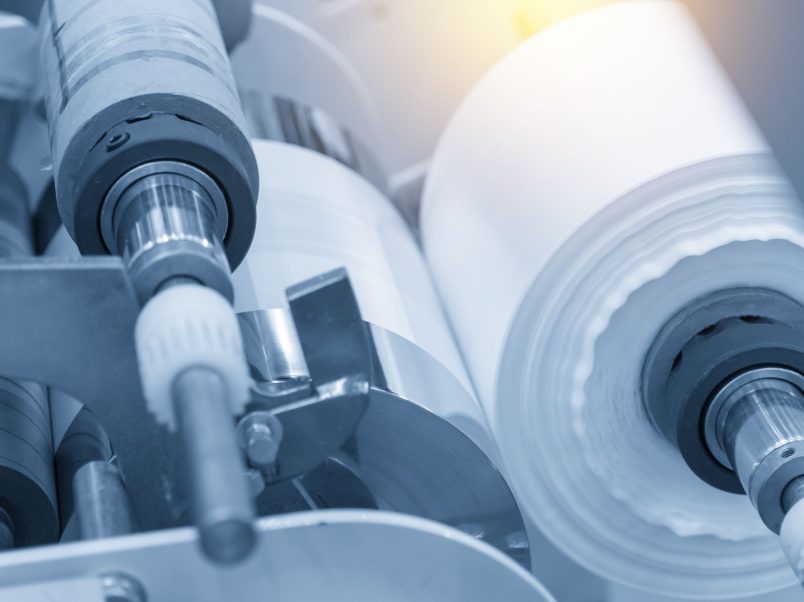
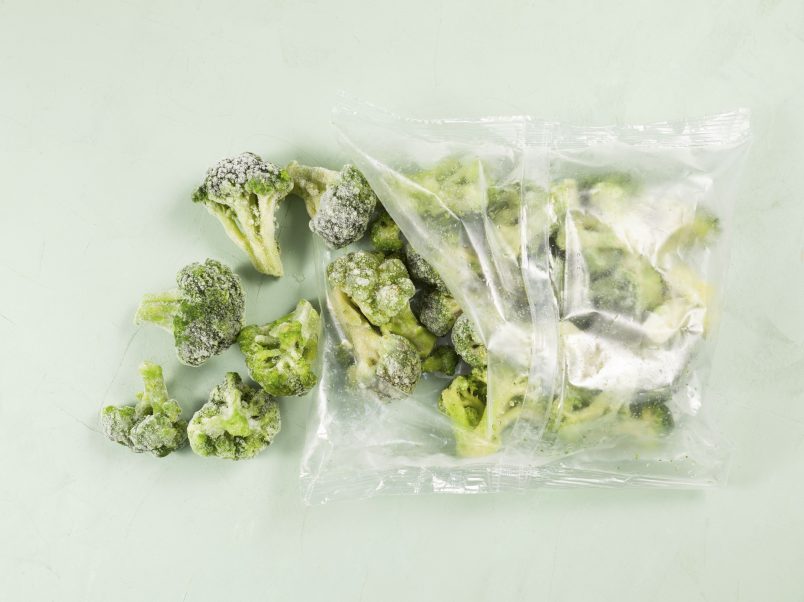
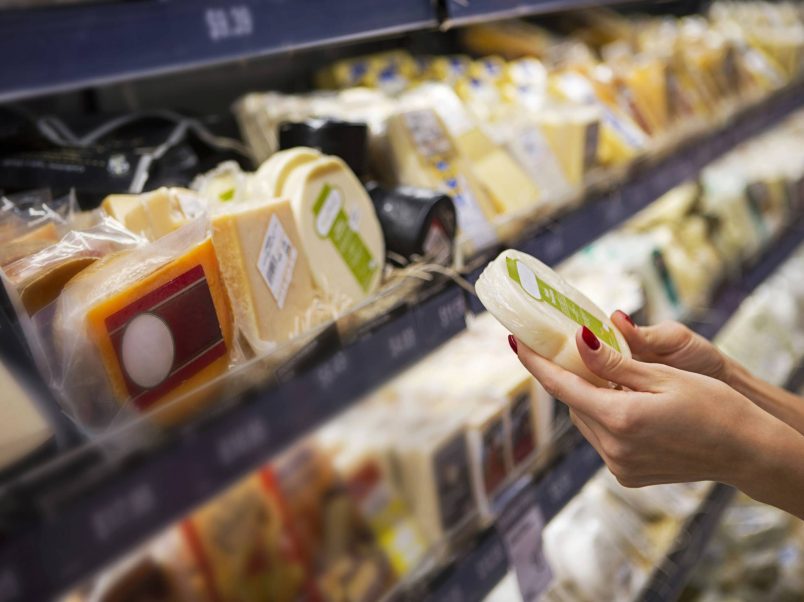
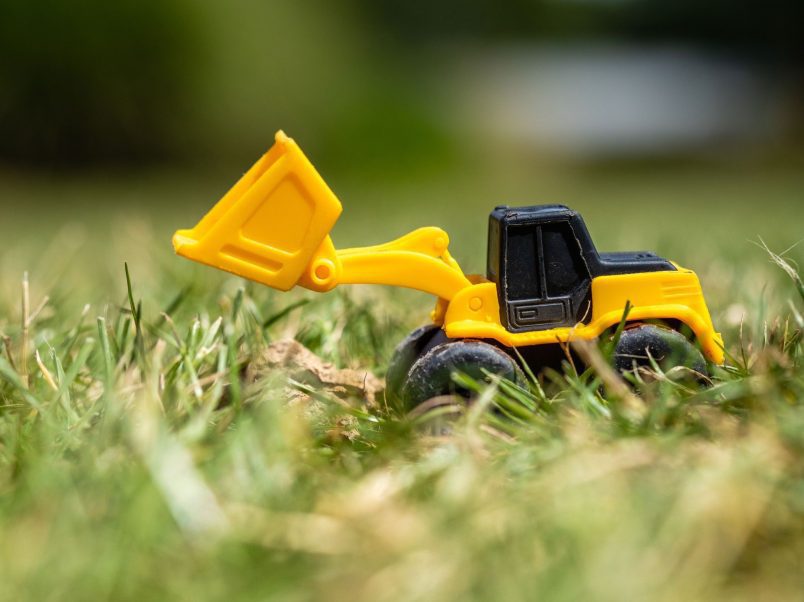
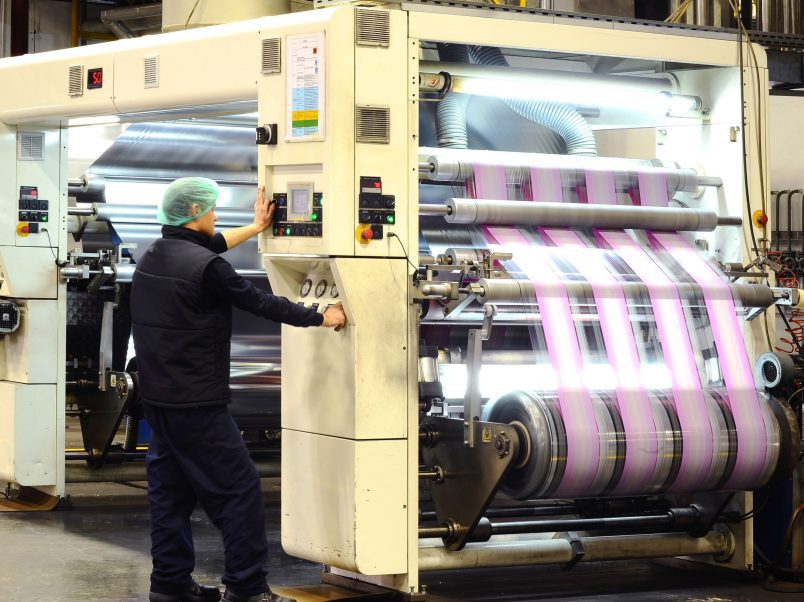
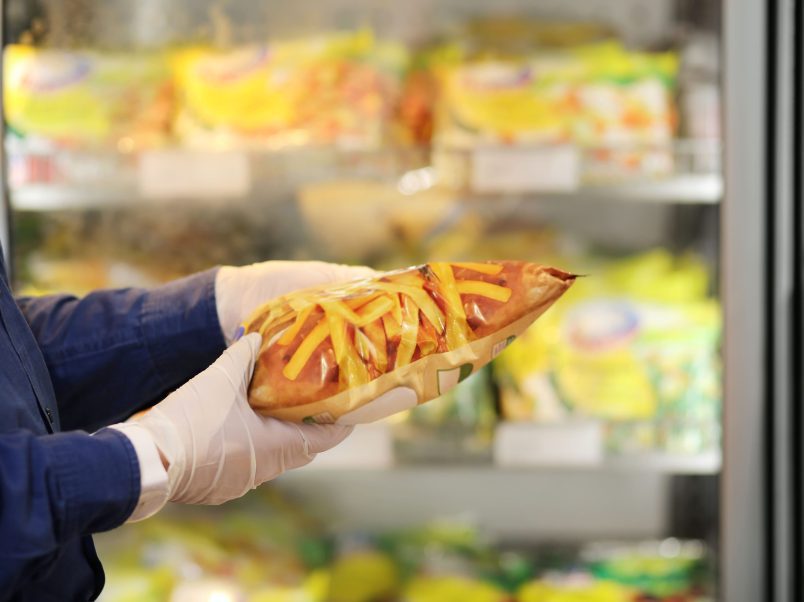
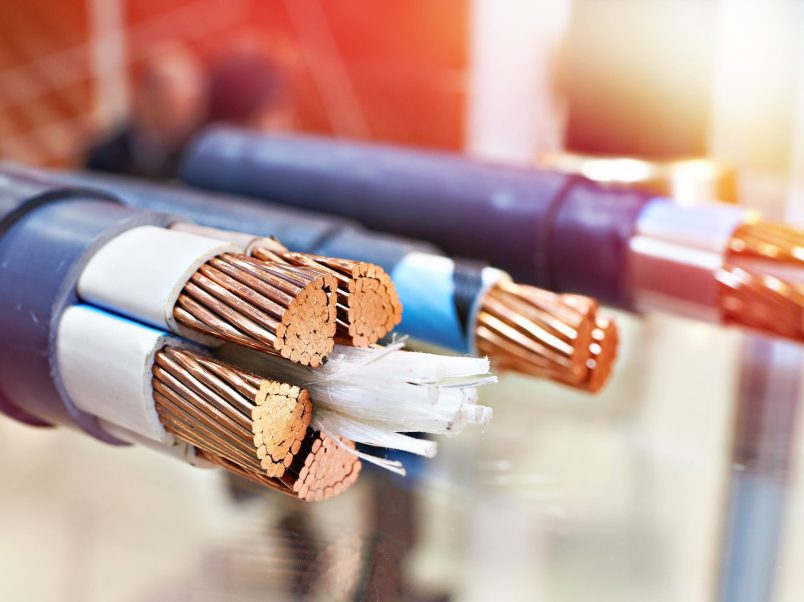
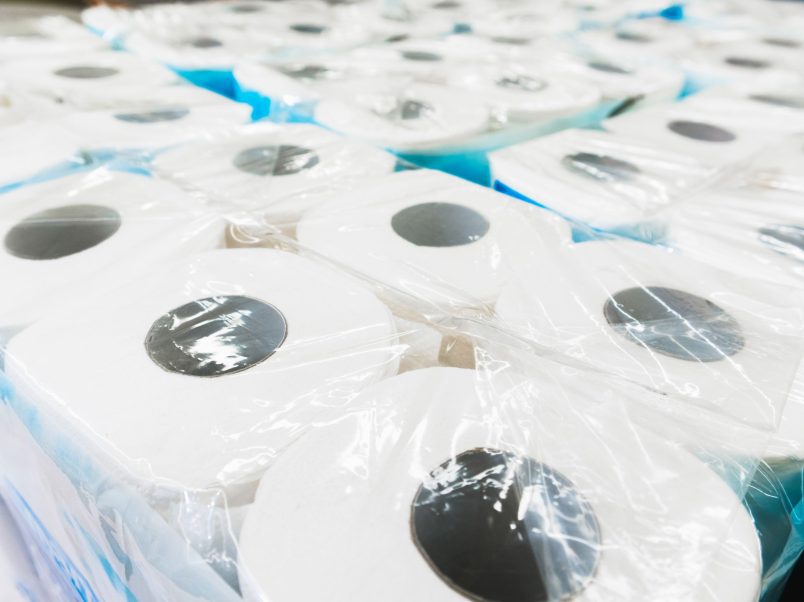
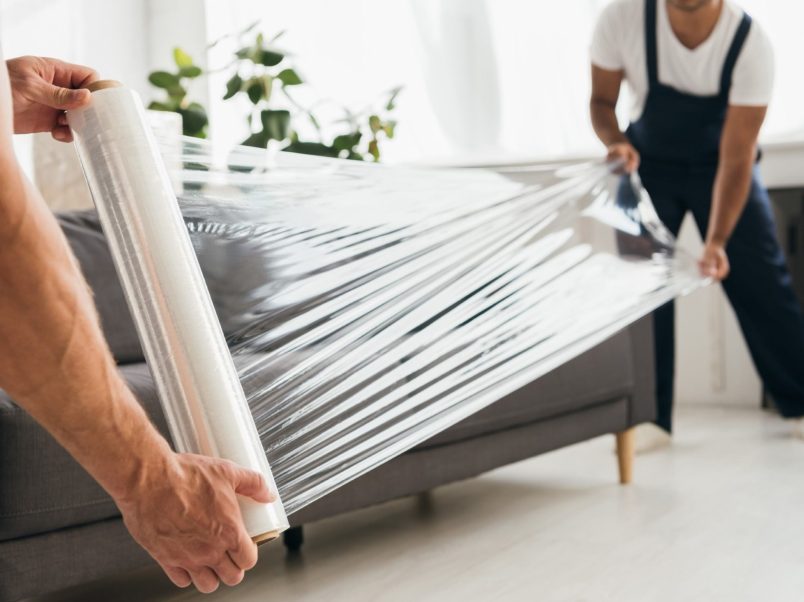
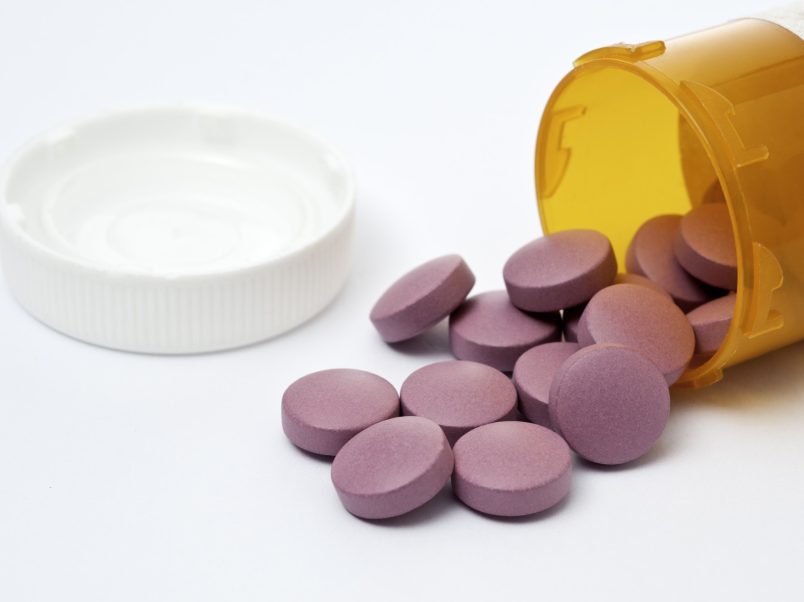
With I’m green™ bio-based Polyethylene the following products can be made:
I’m green™ bio-based Polyethylene (Green PE) from Braskem: The alternative to fossil PE
Polyethylene (PE) accounts for more than one third of global plastic consumption. With I’m green™ bio-based PE by Braskem, FKuR offers you a bio-based, non-degradable bioplastic that is chemically identical to conventional PE but made from sugarcane ethanol instead of fossil ressources. Learn about the differences, benefits for your production, technical details, application examples, and why it can be an alternative for brand owners, plastics processors, and sustainability managers.
What is I’m green™ bio-based Polyethylene (biobased PE) from Braskem?
I’m green™ bio-based Polyethylene (Bio-PE, bio-based polyethylene) by Braskem is chemically identical to conventional polyethylene (PE) but is made from sugarcane. Instead of fossil petroleum, bioethanol from the plant is converted into ethylene and polymerized into PE. By using this renewable raw material, one tonne of I’m green™ bio-based HDPE can store up to 2.12 tonnes of CO2 from the atmosphere (LCA Study conducted by ACV Brasil/2023 (from cradle to Braskem factory gate), Adhering to ISO 14040, ISO 14044, and ISO 14071 standards, this LCA study was subject to a critical review process performed by KPMG.).
Nevertheless, I’m green™ bio-based Polyethylene (Bio-PE) has the same properties as its fossil-based counterpart and is therefore a fully equivalent drop-in replacement: comparable mechanical properties, processability, and recyclability to conventional polyethylene (PE). The current product portfolio includes various HDPE, LDPE, and LLDPE grades that are characterized by an excellent property profile and good processability.
Bio-based polyethylene is processed in particular by blow molding, injection molding, and film extrusion. I’m green™ bio-based PE can completely replace fossil-based PE in many applications. These range from films and packaging as well as tubes and bottles and canisters, to simple injection-molded parts, thermoformed containers, pipes, sporting goods, and toys. At the end of their useful life, products made from I’m green™ bio-based Polyethylene can be recycled in the PE recycling stream, provided they are suitably designed.
I’m green™ bio-based PE Raw Material: Ethanol from Brazilian Sugarcane Instead of Petroleum
Conventional polyethylene is produced from fossil raw materials such as crude oil or natural gas. However, to produce the I’m green™ bio-based portfolio, Braskem uses ethanol from sugarcane. Sugarcane is a fast-growing, robust plant that stores CO2 from the atmosphere during its annual growth cycle. Depending on the I’m green™ bio-based PE grade, the percentage of renewable carbon ranges from 84% to 96%, according to the ASTM D6866 standard.
Want to know how bioplastics like I’m green™ bio-based PE are made from sugarcane? Watch here as Braskem explains the process.
I’m green™ bio-based polyethylene (bio based PE) is recyclable
Unmodified I’m green™ bio-based Polyethylene is technically compatible with suitable PE recycling processes. At the end of their useful life, products made from I’m green™ bio-based PE can be disposed of through already established recycling streams and subsequently recycled, provided they are suitably designed. Since I’m green™ bio-based Polyethylene (Bio-PE, bio-based polyethylene) is not biodegradable, the CO2 captured during the growth cycle of the sugarcane plant remains stored in the plastic throughout its entire life cycle.
Benefits for Your Industry
For brand manufacturers:
-
More credible sustainability claims through certifications
-
Reduced product CO₂ footprint
-
Future-proof material strategy
For plastics processors:
-
No process changes required
-
Stable prices (independent of oil)
-
New market opportunities in the green segment
For sustainability managers:
-
LCA data for reports & certifications
-
Prevention of greenwashing allegations
-
Compliance with regulatory requirements (PPWR, etc.)
Boost Your Bioplastics Knowledge Now!
Imagine this: In just 90 minutes, you master the world of bioplastics—from bio-based to biologically degradable materials—and make confident decisions for sustainable projects. Our On-Demand Basics Webinar delivers practical insights that you can apply directly. Register now and get started immediately: Flexible on-demand access whenever it suits you—build your expertise and stay ahead of your sustainability goals!
Knowledge that drives progress-
Access the webinar now for free!
Watch the webinar recording for free and benefit today from our free know-how.
No time or missed the webinar?
Here’s how to access our free webinar recording:
- Fill out the form and click on "Get the recording now".
- Check your inbox and confirm your email address.
- You will receive the link to the recording by email from us.
Did you know that you can measure the share of renewable raw materials?
There are laboratories worldwide that can determine the share of renewable raw materials according to recognized standards. Various certification bodies offer test seals and labels that certify the proportion of renewable raw materials in a material or product. Would you like to know more about determining the proportion of renewable raw materials and about certification? This way.